
Ledger.com/Start® | Getting started®™ — Ledger Support
Ledger.com/start helps you connect your Ledger device and access practical wallet resources for account organization, asset tracking, and crypto activity.
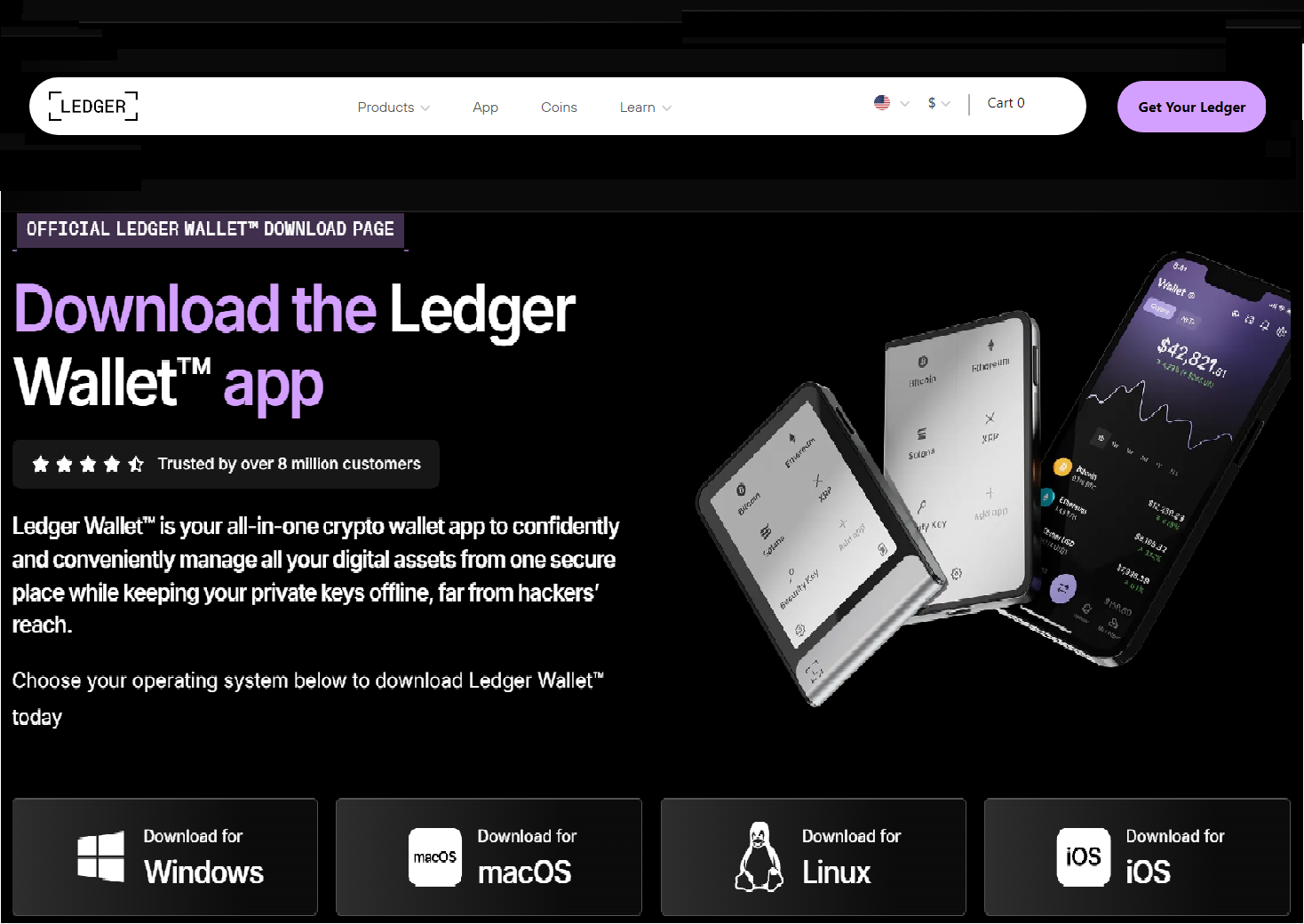
Ledger.com/start: A Practical Guide to Preparing Your Ledger Wallet for Everyday Use
Getting started with a hardware wallet is easier when the setup process is approached one step at a time. For users beginning their Ledger wallet journey, Ledger.com/start can serve as a useful starting point for understanding the initial setup process, device preparation, and important security practices.
Why Begin With Ledger.com/start?
A new hardware wallet involves more than simply connecting a device to a computer. Users need to understand how the device works, how wallet information is handled, and how transactions are reviewed. Starting from the appropriate setup resources can help create a more organized experience.
Before beginning, make sure your Ledger device is available and that you are using a computer with a reliable internet connection. It is also helpful to keep distractions to a minimum because wallet setup involves information that should be handled carefully.
Prepare Your Device
The first step is to inspect your Ledger device and become familiar with its controls. During setup, the device may guide you through several prompts. Read each instruction carefully instead of quickly accepting every screen.
A major part of wallet setup is creating or restoring wallet access. If you are creating a new wallet, recovery information may be displayed during the process. This information is extremely important and should be kept private and offline. Never share recovery information with another person or enter it into an unfamiliar website or application.
Connect Through the Appropriate Software
After preparing the hardware wallet, users generally need compatible wallet software to interact with their device. The software provides an interface for viewing accounts, managing supported assets, and reviewing transactions.
When connecting your device, pay attention to the information shown both on the computer and on the hardware wallet. Important transaction details should be reviewed on the device itself before confirmation.
Build Good Security Habits
Security is not limited to the first setup session. A reliable routine can make future wallet management easier.
Avoid downloading wallet software from random advertisements, unofficial websites, or unknown links. Keep your device and related applications updated through trusted sources. Be especially cautious about messages requesting recovery information, passwords, or unusual wallet actions.
It is also useful to maintain a private record of non-sensitive account information so that you can identify your different crypto accounts more easily.
Review Before Your First Transaction
Before sending or receiving cryptocurrency, take time to understand the transaction process. Check the selected account, destination address, asset, and amount carefully.
For receiving funds, verify the receiving address using the wallet interface and hardware device where applicable. For outgoing transfers, carefully review the destination and transaction details before approving anything.
Conclusion
Ledger.com/start can be a useful reference point for users beginning their Ledger wallet setup. By preparing the device carefully, protecting recovery information, using trusted software, and reviewing transaction details before confirmation, users can establish a more organized approach to everyday crypto management.
A thoughtful setup routine also makes future wallet sessions easier because the user already understands the basic process and security responsibilities.
Updated about 5 hours ago