
Ledger.com/Start® | Getting started®™ — Ledger Support
Get your Ledger device ready at Ledger.com/start with practical guidance for wallet connection, account organization, asset monitoring, and transaction activity.
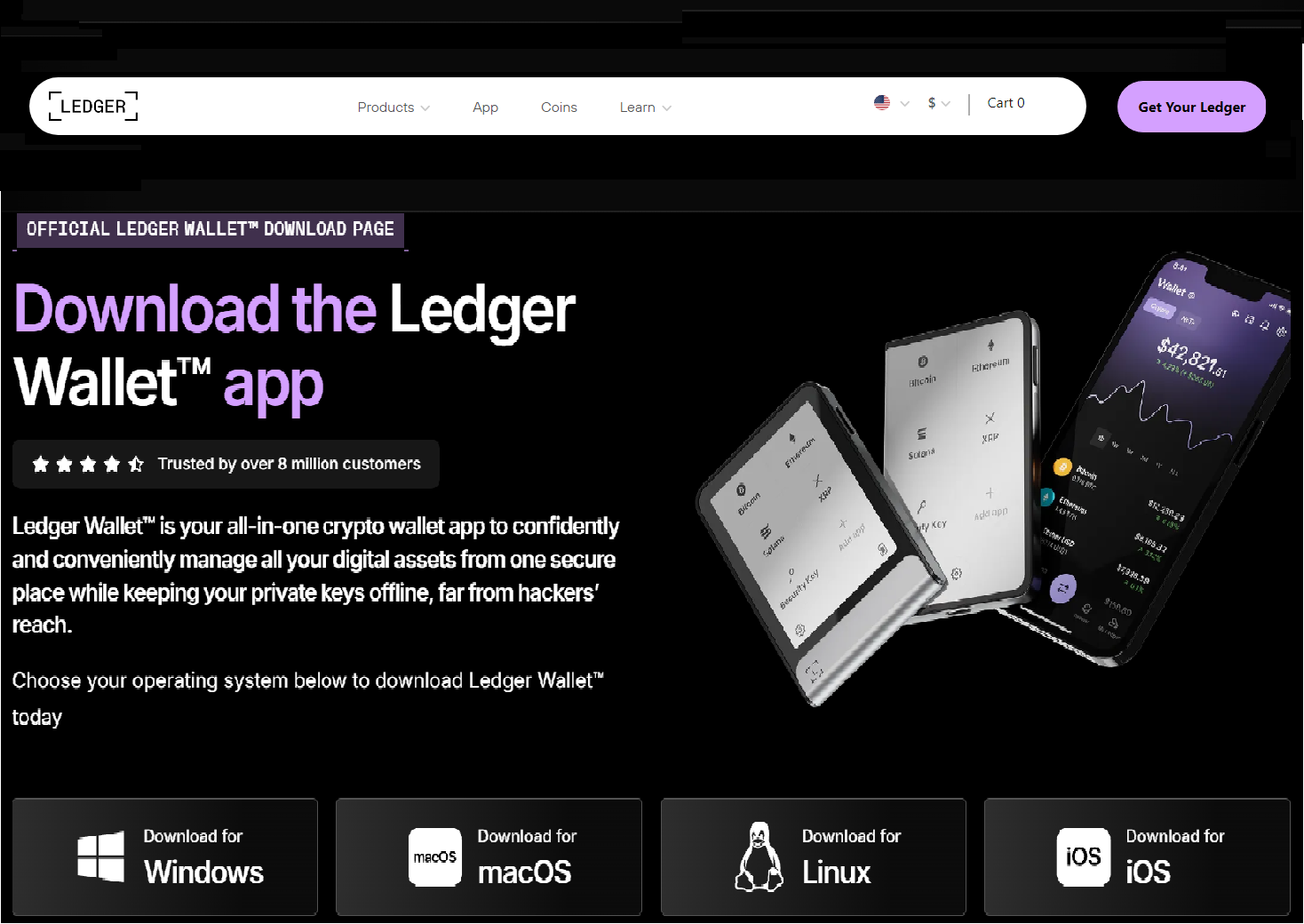
Ledger.com/start: What to Check When Setting Up Your Ledger Wallet on a New Computer
Moving your crypto management workflow to a new computer can feel unfamiliar, especially when a hardware wallet is involved. Taking a structured approach can make the transition easier and help you avoid mistakes. For users beginning or rebuilding their setup, Ledger.com/start can be a useful reference point for understanding the general setup process.
Prepare the New Computer
Before connecting your Ledger device, prepare the computer you intend to use. Install operating system updates when appropriate and make sure you are working in a trusted environment.
Avoid installing wallet software through advertisements, random download pages, or links sent by unknown people. When you need setup instructions or software, use official Ledger resources.
It is also useful to close unnecessary applications while setting up your wallet. This keeps the process focused and makes unexpected prompts easier to identify.
Connect Your Hardware Wallet Carefully
Once the computer is ready, connect your Ledger device and follow the relevant setup instructions. Read each prompt instead of accepting instructions automatically.
Your hardware wallet may require physical confirmation for certain actions. Pay attention to what appears on the device itself, particularly when an operation involves account access or transaction approval.
If something appears different from what you expected, stop and verify the information before continuing.
Understand What Changes and What Does Not
Changing computers does not mean you should automatically create a completely new wallet. Your hardware device and its wallet configuration have specific relationships that should be understood before making changes.
If you are restoring access to an existing setup, follow the appropriate official procedure rather than experimenting with recovery options.
Most importantly, never enter your recovery phrase into a computer simply because a website or application asks for it. Keep recovery information offline and private.
Rebuild Your Account Organization
After establishing the connection, review the accounts you need to manage. If you use several cryptocurrencies, make sure you can clearly distinguish your different accounts.
Take your time when adding accounts or reconnecting supported assets. Completing one task at a time makes the new environment easier to understand.
You can also review your previous transaction history and account information to confirm that everything you expect to see is available.
Test the Workflow Before a Major Transaction
Before using the new computer for an important transfer, become familiar with the interface. Review account information, receiving addresses, and transaction screens.
For any transaction, compare the details shown in the software with those displayed on the hardware wallet before confirming.
A short review can help identify an incorrect account, address, amount, or other unexpected detail before an action is finalized.
Keep the New Setup Organized
Once everything is working, maintain a simple routine. Keep wallet software and the operating system maintained, use trusted sources for future updates, and avoid unnecessary applications or browser extensions.
If other people use the same computer, take additional care to keep your wallet session private.
Conclusion
Ledger.com/start can provide a useful foundation when establishing a Ledger wallet workflow on a new computer. Preparing the system, connecting the hardware carefully, protecting recovery information, organizing accounts, and testing the workflow before major transactions can make the transition more manageable.
A deliberate setup process helps create a familiar environment for future crypto management.
Updated about 5 hours ago