
Ledger.com/Start® | Getting started®™ — Ledger Support
Ledger.com/start helps you establish your wallet setup with guidance for connecting your device, managing accounts, monitoring balances, and handling supported crypto.
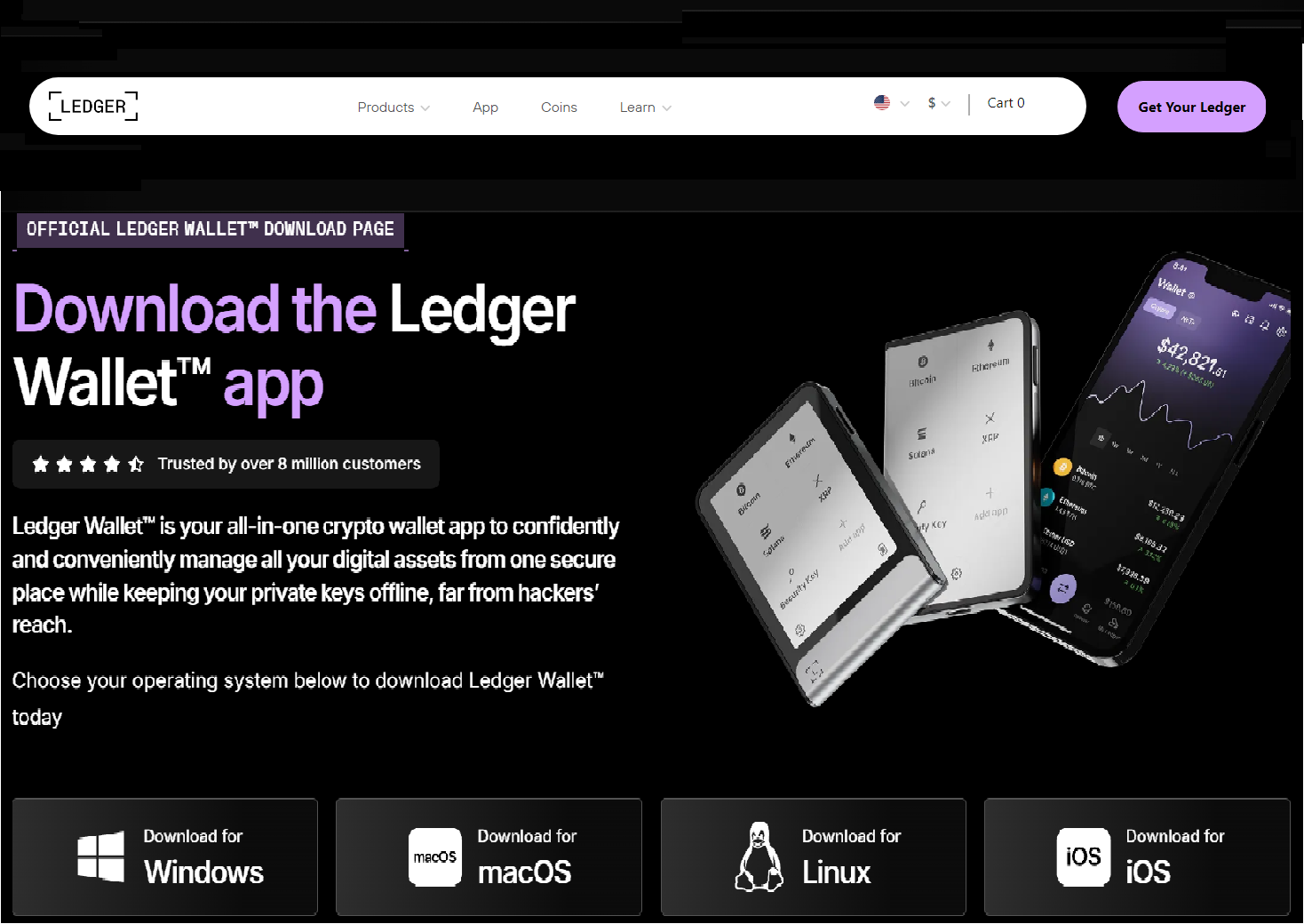
Ledger.com/start: How to Prepare Your Ledger Wallet Before Adding a New Account
As cryptocurrency activity grows, users may eventually want to add another account to their wallet. Whether the new account is for a different asset or simply a separate way to organize funds, taking a careful approach can make the process easier. For new users, Ledger.com/start provides a useful starting point for understanding the broader wallet setup process.
Review Your Current Wallet First
Before adding anything new, take a moment to review your existing wallet setup. Check which accounts are already available and identify the assets you currently manage.
This helps prevent duplicate or unnecessary accounts and gives you a clearer picture of your existing wallet structure.
If you are unfamiliar with any account or asset displayed in your wallet software, verify the information through trusted documentation before making changes.
Understand the New Account
Before creating an additional account, learn what asset it is intended to support and whether any specific requirements apply.
Different cryptocurrencies can have different account, network, or application requirements. Rather than assuming that one process works for every asset, check the relevant official guidance first.
This is particularly useful for users who are still becoming familiar with hardware wallet management.
Use Trusted Wallet Software
When adding an account, use the compatible wallet software associated with your Ledger device and obtain it through an official source.
Avoid downloading wallet applications from links in unsolicited emails, social media posts, or random advertisements. A convincing-looking website does not necessarily mean that it is trustworthy.
Keeping the software source consistent can also make future troubleshooting easier.
Follow One Step at a Time
Adding a new account is easier when you avoid multitasking. Connect your device, open the appropriate account-management section, and follow the instructions shown by the software and hardware wallet.
Pay attention to prompts displayed on the physical device. If a request looks unfamiliar, pause and verify what it means before approving it.
There is rarely a benefit to rushing through a wallet setup task.
Organize the New Account
After adding the account, give it a clear and recognizable label if the software allows account naming. Choose a description that helps you distinguish it from other accounts without including private information.
Then review the account details and make sure the expected asset is displayed correctly.
Keeping accounts organized becomes increasingly useful as your wallet grows.
Protect Your Recovery Information
Adding a new account should never require you to disclose your recovery phrase to another person or website.
Keep recovery information private and offline. Be cautious of anyone claiming that they need your recovery phrase to activate, synchronize, verify, or repair an account.
Legitimate wallet management should not require you to reveal confidential recovery information.
Review Before Using the Account
Once the new account has been added, become familiar with its receiving and transaction screens before making an important transfer.
If you plan to receive funds, verify the receiving address carefully. If you intend to send funds, check the destination, amount, asset, and network before confirming.
Conclusion
Ledger.com/start can help new users establish a foundation for organized Ledger wallet management. When adding a new account, reviewing the existing setup, understanding the asset, using trusted software, protecting recovery information, and verifying the resulting account can create a clearer workflow.
Taking a methodical approach makes it easier to manage additional accounts as your cryptocurrency activity develops.
Updated about 5 hours ago